Program
Program is finalized
- 2:30 pm
- to 4:00 pm
- / Social
Walk About Boise Walking Tour #1
- Meet at registration desk at 2:15 pm
An experienced architectural historian will lead this approximately 90-minute guided walking tour through 150 years of Boise’s history and architecture. Participants will explore the evolution of downtown’s-built environment, from its pioneer roots to its modern skyline, while learning the stories behind the city’s most iconic landmarks.
- 6:00 pm
- to 9:00 pm
- / Social
Opening Night: Nobel Laureate Plenary Presentation, Reception & Poster Session
- 400A/B/D
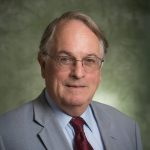
Kick off NORM 2026 with an opening plenary address by Nobel Laureate M. Stanley Whittingham. The lecture will be followed by a Nobel Laureate Reception and Frontiers in Scientific Research: Opening Night Poster Session.
- 7:00 pm
- to 9:00 pm
- / Poster
Frontiers in Scientific Research: Opening Night Poster Session
- 400A & 400B Boise Centre East
- 8:00 am
- to 8:50 am
- / Social
Plenary Presentation: Dr. Geraldine “Geri” Richmond
- 400C
Dr. Geraldine “Geri” Richmond, former Under Secretary for Science and Innovation at the U.S. Department of Energy (2021–2025) and Presidential Chair in Science and Professor of Chemistry at the University of Oregon, will deliver a keynote address.
- 9:00 am
- to 12:20 pm
- / Technical (AM)
Topics in Physical and Computational Chemistry
- 440
- 9:00 am
- to 12:05 pm
- / Technical (AM)
Organic Synthesis to Harness Biological Insight and Create Innovative Therapies
- 420A
This session will highlight the role of organic chemistry at the interface of biology to enable drug discovery.
- 9:00 am
- to 12:20 pm
- / Technical (AM)
Matter to Megawatts: The Future of Materials in Energy I
- 430A
The demands for tomorrow’s energy must be met with the materials of today. This session focuses on materials that can store, convert, and deliver energy reliably and sustainably. Emphasis will be placed on emerging discoveries and engineering strategies that enable high-performance energy systems, supporting a cleaner, more resilient, and safer electrified future.
- 9:00 am
- to 12:00 pm
- / Technical (AM)
Chemistry Behind the Chips: How Molecules Shape Memory Fabrication; From Micron R&D to High-Volume Manufacturing
- 410B
This technical session examines the transition of memory fabrication processes from research and development into high-volume manufacturing. The program covers specialized topics such as analytical chemistry in clean room environments, chemical precursors for Atomic Layer Deposition, and wet chemistry processes. Additionally, the session explores vital industry standards including chemical sustainability and safety protocols within a fabrication facility.
- 9:00 am
- to 12:20 pm
- / Technical (AM)
Chemistry and Biology in the Microbial World
- 410C
This symposium will describe advancements in our understanding of the role of key proteins impacting host-pathogen interactions, microbiome, and virulence.
- 9:00 am
- to 12:15 pm
- / Technical (AM)
Building a Sustainable Future with Chemical Methods and Materials
- 410A
This symposium highlights innovative strategies in sustainable chemistry and materials, from waste upcycling and catalytic processes to resource recovery and the use of naturally abundant materials. Together, these approaches aim to reduce energy demands and advance a more sustainable future.
- 10:30 am
- to 12:00 pm
- / Workshop
The Art of Negotiation Workshop
- 420B
Students and Post-Docs Only. Negotiations occur every day in the scientific laboratory and workplace and often involve issues that are key to research success and career advancement. This workshop teaches the fundamentals of negotiation relevant to a variety of one-on-one conversations and group settings. Topics include the importance of negotiation to advance research and career objectives, identification of negotiables for research and career advancement, elements of a successful negotiation, the importance of data and how to collect, techniques for handling difficult people and conversations, the importance of listening and appreciating different viewpoints, and identification of short and long-term negotiation goals and advocating for yourself.
- 11:00 am
- to 11:30 am
- / Social
Plenary Presentation: Dr. Michelle Arkin
- 420A
Dr. Michelle Arkin will give a keynote address titled “Systematic, fragment-based discovery of molecular glues for selective stabilization of protein-protein interactions” in the Organic Synthesis to Harness Biological Insight and Create Innovative Therapies technical session.
- 11:40 am
- to 12:10 pm
- / Social
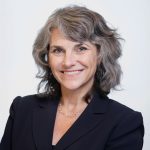
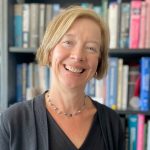
Plenary Presentation: Dr. Helen Blackwell
- 410C
Dr. Helen Blackwell will give a keynote address titled “Redirecting bacterial conversations with synthetic chemical signals” in the Chemistry and Biology in the Microbial World technical session.
- 12:00 pm
- to 1:30 pm
- / Poster, Social
ACS 150th Anniversary Reception & Undergraduate Poster Session
- 400A/B/D
Commemorate the 150th Anniversary of the American Chemical Society during your lunch hour while exploring the latest research from the region’s top undergraduate talent at the Undergraduate Poster Session.
- 1:30 pm
- to 4:45 pm
- / Technical (PM)
Unraveling Structure and Dynamics in Molecules and Materials with Advanced Nonlinear Spectroscopy, Microscopy, and Photophysical Studies I
- 410B
This symposium highlights cutting-edge advances in nonlinear spectroscopy, microscopy, and photophysical techniques, along with advances in the structure and dynamics of molecules and materials. Emphasis is placed on innovative experimental and theoretical approaches and/or advanced photophysical studies that illuminate complex chemical, biological, and materials systems.
- 1:30 pm
- to 5:25 pm
- / Technical (PM)
Topics in Biochemistry and Chemical Biology
- 410C
- 1:30 pm
- to 5:15 pm
- / Technical (PM)
Software Development for Chemistry of Complex Systems
- 420B
This session includes invited and contributed talks describing recent advances in scientific software development across problems in complex molecular self-assembly, electrochemistry, and polymer structure prediction.
- 1:30 pm
- to 4:40 pm
- / Technical (PM)
Organometallics: Ligand Design, Catalysis, and Other Applications I
- 440
This session will be a cover a broad swath of organometallic chemistry with presentations discussing topics in new ligands, frameworks and catalysis.
- 1:30 pm
- to 5:05 pm
- / Technical (PM)
Organic Synthesis to Access Complex Molecules and Potential Drugs
- 420A
This session will highlight the novel technologies that enable efficient and environmentally conscious synthesis and manufacturing to bring drugs to patients.
- 1:30 pm
- to 5:20 pm
- / Technical (PM)
Matter to Megawatts: The Future of Materials in Energy II
- 400C
The demands for tomorrow’s energy must be met with the materials of today. This session focuses on materials that can store, convert, and deliver energy reliably and sustainably. Emphasis will be placed on emerging discoveries and engineering strategies that enable high-performance energy systems, supporting a cleaner, more resilient, and safer electrified future.
- 1:30 pm
- to 5:15 pm
- / Technical (PM)
Advanced Materials Chemistry
- 410A
This symposium will explore the latest regional innovations in chemistry and materials science. This symposium covers key advancements in MOFs, nanoparticles, molecular machinery, and DNA nanotechnology.
- 3:10 pm
- to 3:40 pm
- / Social
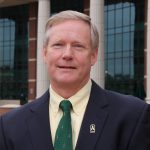
Plenary Presentation: Dr. John L. Wood
- 420A
Dr. John L. Wood will give a keynote address titled “Recent Efforts in the Synthesis of Complex Natural Products” in the Organic Synthesis to Access Complex Molecules and Potential Drugs technical session.
- 5:30 pm
- to 7:30 pm
- / Social
Boise State Alumni Event
- Fine Arts Building Lobby and Keith and Catherine Stein Luminary at Boise State University
For Boise State Alumni, Emeriti, Faculty and Staff only. A networking and interactive event for Boise State University alumni, students and faculty. Students will present their research using the 90ft touch capable screens in the Keith and Catherine Stein Luminary. Dinner and a no-host bar will accompany the event.
- 8:00 pm
- to 11:00 pm
- / Social
High Scores, Strong Bonds, and Good Food
- Realms Arcade Downtown Boise (109 S. 23rd St, Suite A)
For Undergraduate and Graduate students only. Take a break from the conference and recharge with a fun evening at a Downtown Boise arcade! Join fellow Chemistry enthusiasts for catered pizza, classic games and pinball, and a chance to unwind outside the professional world. It’s the perfect opportunity to bond over shared interests, spark new reactions, and explore a bit of the city while you’re at it!
- 8:00 am
- to 9:00 am
- / Social
Careers in Chemistry Panel and Breakfast
- 420A
For undergraduate and graduate students only. Explore the diverse professional landscapes of chemistry through the lens of Academia, Industry, and National Laboratories. Our expert panelists will compare the day-to-day realities of these three distinct sectors. Join us to discover how to navigate these career paths and find the environment that best catalyzes your scientific goals. Breakfast will be provided.
- 8:00 am
- to 10:50 am
- / Technical (AM)
Unraveling Structure and Dynamics in Molecules and Materials with Advanced Nonlinear Spectroscopy, Microscopy, and Photophysical Studies II
- 410B
This symposium highlights cutting-edge advances in nonlinear spectroscopy, microscopy, and photophysical techniques, along with advances in the structure and dynamics of molecules and materials. Emphasis is placed on innovative experimental and theoretical approaches and/or advanced photophysical studies that illuminate complex chemical, biological, and materials systems.
- 8:00 am
- to 11:05 am
- / Technical (AM)
Therapeutics for the Treatment of Diseases in People, Plants, and Animals I
- 410C
This session will be a broad-scope symposium with talks ranging from clinical to basic research on a range of topics that fall into the therapeutics realm.
- 8:00 am
- to 11:05 am
- / Technical (AM)
Processing and Value-Enhanced Separation Strategies for Food, Dairy, and Biomass Valorization
- 440
This session highlights how chemical innovations and novel processing technologies are reshaping food, dairy, and biomass valorization. Speakers will share real-world challenges, applied solutions, and future directions at the intersection of food chemistry and chemical engineering.
- 8:00 am
- to 10:50 am
- / Technical (AM)
Nanoscale Materials and Their Applications I
- 420B
The symposium Nanoscale Materials and Their Applications will highlight advances in synthesis, characterization, and modeling of nanoscale systems. Sessions will explore fundamental chemical synthesis and characterization as well as applications in energy, electronics, healthcare, and environmental sustainability, with perspectives from academia, industry, and national labs.
- 8:00 am
- to 11:05 am
- / Technical (AM)
Matter to Megawatts: The Future of Materials in Energy III
- 400C
The demands for tomorrow’s energy must be met with the materials of today. This session focuses on materials that can store, convert, and deliver energy reliably and sustainably. Emphasis will be placed on emerging discoveries and engineering strategies that enable high-performance energy systems, supporting a cleaner, more resilient, and safer electrified future.
- 8:00 am
- to 11:00 am
- / Technical (AM)
Innovations in Active Learning
- 440
This symposium highlights innovative teaching strategies in chemistry, with a focus on active learning, curriculum design, and evidence-based practices that enhance student engagement and success.
- 8:00 am
- to 10:55 am
- / Technical (AM)
Advancing Chemistry through Computation and Artificial Intelligence
- 420B
This symposium will highlight how computational chemistry, artificial intelligence, high-throughput experimentation, and autonomous laboratories are transforming the pace and scope of chemical research and development. We will explore applications ranging from the discovery of molecules and materials with tailored properties to elucidating complex reaction mechanisms and accelerating drug and catalyst design. We will also feature emerging uses of large language models and related AI tools for tasks such as molecular design, data interpretation, workflow automation, and scientific knowledge discovery.
- 8:00 am
- to 11:00 am
- / Technical (AM)
Undergraduate-Driven Organic Chemistry: Research Excellence at PUIs
- 430B
This session will highlight organic chemistry research conducted by faculty at primarily undergraduate institutions.
- 11:10 am
- to 12:00 pm
- / Social
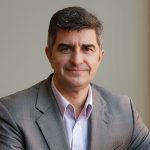
Plenary Presentation: Dr. Yury Gogotsi
- 400C
Dr. Yury Gogotsi will talk about MXenes – A unique family within the 2D Materials landscape.
- 12:00 pm
- to 1:30 pm
- / Social
Women in Chemistry Luncheon (WCC)
- 420A
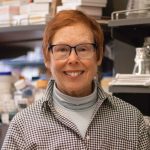
The ACS Women Chemists Committee (WCC) Luncheon features Mary (Nora) Disis, M.D., a world-renowned expert in cancer immunotherapy and Director of the University of Washington Medicine Cancer Vaccine Institute. The WCC presentation is titled “The Long and Winding Road to Cancer Vaccines.” The event includes a plated lunch, drink and dessert.
- 1:30 pm
- to 2:25 pm
- / Technical (PM)
Unraveling Structure and Dynamics in Molecules and Materials with Advanced Nonlinear Spectroscopy, Microscopy, and Photophysical Studies III
- 410B
This symposium highlights cutting-edge advances in nonlinear spectroscopy, microscopy, and photophysical techniques, along with advances in the structure and dynamics of molecules and materials. Emphasis is placed on innovative experimental and theoretical approaches and/or advanced photophysical studies that illuminate complex chemical, biological, and materials systems.
- 1:30 pm
- to 5:15 pm
- / Technical (PM)
Therapeutics for the Treatment of Diseases in People, Plants, and Animals II
- 410C
This session will be a broad-scope symposium with talks ranging from clinical to basic research on a range of topics that fall into the therapeutics realm.
- 1:30 pm
- to 5:15 pm
- / Technical (PM)
Scanning Probe Microscopy for Physical & Chemical Characterization of Materials
- 420B
A wide variety of scanning probe microscopy (SPM) modes based on atomic force microscopy (AFM) have been developed to probe the nanoscale electrical, electrochemical, magnetic, and mechanical properties, with more recent developments in identifying localized chemical and thermal properties of surfaces. The goal of this symposium is to highlight applications of SPM to the physical and chemical characterization of materials.
- 1:30 pm
- to 4:20 pm
- / Technical (PM)
Organometallics: Ligand Design, Catalysis, and Other Applications II
- 410A
This session will be a cover a broad swath of organometallic chemistry with presentations discussing topics in new ligands, frameworks and catalysis.
- 1:30 pm
- to 5:15 pm
- / Technical (PM)
Nuclear Chemistry in the Northwest
- 430B
Chemistry related to all things nuclear, ranging from nuclear fuel cycle research, nuclear non-proliferation, to the basic science of radioactive elements.
- 1:30 pm
- to 5:15 pm
- / Technical (PM)
Nanoscale Materials and Their Applications II
- 400C
The symposium Nanoscale Materials and Their Applications will highlight advances in synthesis, characterization, and modeling of nanoscale systems. Sessions will explore fundamental chemical synthesis and characterization as well as applications in energy, electronics, healthcare, and environmental sustainability, with perspectives from academia, industry, and national labs.
- 1:30 pm
- to 4:50 pm
- / Technical (PM)
Future of Food in the Mountain West: Examining Priority Research Questions and Funding Opportunities
- 400A/B/D
Environmental pressures and the high consumption of ultra-processed foods are currently straining food systems and human health across the Mountain West. Our symposium addresses these challenges by sharing the results of a 2025 Horizon Scan, where regional scientists identified priority research questions for the area. Through expert presentations and a World Café discussion, participants will refine these research agendas and explore new funding opportunities.
- 1:30 pm
- to 5:00 pm
- / Technical (PM)
Student Learning and Success in STEM
- 430A
This session aims to explore topics related to best practices for teaching and learning in the STEM classroom, including more general talks about how students learn.
- 3:25 pm
- to 3:55 pm
- / Technical (PM)
Plenary Presentation: Dr. Mary “Nora” Disis
- 410C
- 3:30 pm
- to 5:00 pm
- / Social
Basque Museum/Boarding House Tour
The Basque Museum and boarding house tour highlights Basque culture and immigration history. Guests will explore the Cyrus Jacobs-Uberuaga House, Boise’s oldest brick dwelling, and the historic Anduiza Fronton, home to one of the few remaining indoor Basque handball courts in the country. This experience offers a unique look at how the Basque community preserved its traditions while helping to shape the American West. The museum is one block from the Boise Centre.
- 5:00 pm
- to 6:00 pm
- / Social
Wine Tasting Event Sponsored by LECO
- 400 A/B/D
Join us for a free wine tasting event sponsored by LECO! Discover the chemistry behind what we smell and taste in wine.
- 6:00 pm
- to 7:00 pm
- / Social
Awards Ceremony and ACS Governance Reception
- 400A/B/D
The ACS Governance and Awards Reception offers a unique opportunity for members to engage directly with ACS leadership and celebrate the achievements of our regional colleagues. This social hour facilitates networking between governance representatives and attendees while honoring the recipients of the 2026 Northwest Regional Awards for their outstanding contributions to the chemical sciences. While this reception is free to all registered attendees, please note that the Basque Cultural Banquet that immediately follows the reception is a separate, ticketed event.
- 7:00 pm
- to 9:00 pm
- / Social
Basque Cultural Dinner Banquet
The banquet will be a unique cultural experience centered on Boise’s rich Basque heritage. Guests will enjoy a Basque-themed dinner, a presentation by Dr. John Ysursa, Professor of Basque Studies, and a performance by the Oinkari Basque Dancers.
- 8:00 am
- to 12:00 pm
- / Social
Micron Technology Tour
Transportation provided. This tour offers a behind-the-scenes look at Micron Technology’s Surface and Chemistry labs, where advanced chemical and material characterization ensures the precision of next-generation memory and storage technologies. It is a unique opportunity to see how analytical chemistry drives manufacturing yield and R&D innovation as a global technology leader.
- 8:00 am
- to 10:00 am
- / Workshop
ACS Career Workshop: Acing the Interview Workshop
- 430B
This workshop breaks down the interview process into navigable stages. Participants will also learn how to identify critical performance factors from job announcement media. The course will also help interviewees to develop a plan to relate their experience and values to the job requirements and organization values of their potential employers.
- 8:00 am
- to 10:00 am
- / Workshop
Accessing STEM: A Workshop in Course Material Accessibility & Title II Compliance
- 430A
Join us for a hands-on opportunity to highlight the unique requirements of STEM-based course material access. Have you struggled with Title II compliance? Have you lost sleep contemplating the need for tagging, alt-text, captioning, color contrast ratios, etc., in your course materials? With a focus on student success, this workshop offers the opportunity to meet those challenges together while working on your own, unique documents.
- 8:00 am
- to 11:35 am
- / Technical (AM)
Therapeutics for the Treatment of Diseases in People, Plants, and Animals III
- 410C
This session will be a broad-scope symposium with talks ranging from clinical to basic research on a range of topics that fall into the therapeutics realm.
- 8:00 am
- to 12:30 pm
- / Technical (AM)
Nanoscale Materials and Their Applications III
- 420A
The symposium Nanoscale Materials and Their Applications will highlight advances in synthesis, characterization, and modeling of nanoscale systems. Sessions will explore fundamental chemical synthesis and characterization as well as applications in energy, electronics, healthcare, and environmental sustainability, with perspectives from academia, industry, and national labs.
- 8:00 am
- to 12:00 pm
- / Technical (AM)
Medical Devices, Sensors, and Systems
- 410A
This symposium will feature talks on devices and sensors to diagnose, treat, or prevent disease.
- 8:00 am
- to 12:10 pm
- / Technical (AM)
From Access to Legibility: New Frontiers in Research Experiences for Students and Teachers
- 440
This symposium highlights programs that move beyond assigning novice researchers a project and instead work to make scientific practice genuinely legible. Presenters will share work from REUs, CUREs, VIPs, Project SEED, teacher–researcher partnerships, and other programs that involve high school and college students in authentic research in a range of disciplinary contexts. Across these varied settings, contributors examine how novices come to understand what researchers do, why the work matters in local and disciplinary contexts, and how mentoring supports that understanding. The session brings forward stories, program models, and perspectives that illuminate the social and technical dynamics of entering a research community, offering a rich view of how different institutions cultivate meaningful early research experiences.
- 8:00 am
- to 11:35 am
- / Technical (AM)
Chemical Frontiers in Imaging: From Biomolecules to Semiconductors
- 410A
Advances in imaging technologies continue to transform our understanding of complex biological systems and the design of next-generation materials. This symposium will highlight the critical role of chemistry in developing and applying imaging techniques across diverse fields, from visualizing molecular dynamics in live cells to mapping nanoscale features in semiconductors. Topics will include the design of novel chemical probes and contrast agents, innovations in spectroscopic and microscopic imaging, and chemical strategies enabling high-resolution, multi-modal visualization. By bringing together experts in chemical biology, materials chemistry, and imaging science, this symposium aims to foster cross-disciplinary dialogue and spark new collaborations at the interface of chemistry and imaging.
- 8:00 am
- to 11:30 am
- / Technical (AM)
Chemical and Lab Safety
- 410B
This symposium will cover a range of chemical and laboratory safety topics including regulations and laboratory best practices.
- 9:00 am
- to 1:30 pm
- / Workshop
Bruker AFM Workshop – Technical Presentations
- Boise State University
Technical talks/lectures on the practical aspects of implementing advanced AFM modes. Complimentary lunch provided.
- 10:30 am
- to 12:00 pm
- / Workshop
ACS Career Services – 1:1 Resume Review
- 430B
One-on-One resume reviews
- 10:30 am
- to 12:00 pm
- / Workshop
Building Community in the Classroom Workshop
- 430A
This workshop explores the importance of building a strong sense of community in the classroom and its impact on student engagement and learning. Participants will examine key factors that contribute to a positive classroom community and collaborate to develop practical, actionable strategies they can apply in their own teaching contexts
- 1:00 pm
- to 5:00 pm
- / Workshop
Python Training for Educators Workshop
- 420B
This workshop introduces college and high-school instructors to practical strategies for developing course and laboratory materials using Python and Google Colab notebooks. Participants will explore how interactive notebooks can support data analysis, modeling, and visualization in science education, and how emerging AI tools can assist with content creation, coding support, and student engagement. No prior programming experience is required; examples will be adaptable across disciplines.
- 1:30 pm
- to 5:00 pm
- / Workshop
Bruker AFM Workshop – Live Demonstrations
- Boise State University
Live demos of various AFM makes/models and characterization modes using AFM instruments located on the Boise State University campus.
- 1:30 pm
- to 4:30 pm
- / Workshop
ACS Career Workshop: Finding Yourself: Identifying a Career that Matches Your Strengths and Values
- 430B
The workshop allows you to self-assess your career values and strengths. Participants will also learn how the four sectors of chemistry employment compare and contrast. This workshop will also help you determine which sector best aligns to your values and strengths and plan your next steps to obtain an ideal position.
- 1:30 pm
- to 4:30 pm
- / Technical (PM)
Nanoscale Materials and Their Applications IV
- 420A
The symposium Nanoscale Materials and Their Applications will highlight advances in synthesis, characterization, and modeling of nanoscale systems. Sessions will explore fundamental chemical synthesis and characterization as well as applications in energy, electronics, healthcare, and environmental sustainability, with perspectives from academia, industry, and national labs.
- 1:30 pm
- to 5:00 pm
- / Technical (PM)
Topics in Organic Chemistry
- 410B
- 1:30 pm
- to 5:00 pm
- / Technical (PM)
Topics in Analytical, Environmental, and Inorganic Chemistry
- 410A
- 3:00 pm
- to 4:30 pm
- / Social
Walk About Boise Walking Tour #2
- Meet at the registration desk
An experienced architectural historian will lead this approximately 90-minute guided walking tour through 150 years of Boise’s history and architecture. Participants will explore the evolution of downtown’s built environment, from its pioneer roots to its modern skyline, while learning the stories behind the city’s most iconic landmarks.
Tracks and Symposia
Materials, Energy and Manufacturing
Focuses on the synthesis, characterization and application of materials, from nanoscale to industrial manufacturing
Advanced Materials Chemistry
This symposium will explore the latest regional innovations in chemistry and materials science. This symposium covers key advancements in MOFs, nanoparticles, molecular machinery, and DNA nanotechnology.
Organizer: Jeunghoon Lee (JeunghoonLee@boisestate.edu)
Format: Oral (Invited/Contributed)
Building a Sustainable Future with Chemical Methods and Materials
This symposium highlights innovative strategies in sustainable chemistry and materials, from waste upcycling and catalytic processes to resource recovery and the use of naturally abundant materials. Together, these approaches aim to reduce energy demands and advance a more sustainable future.
Organizers: Leslie Nickerson (leslienickerson@isu.edu), Cori Jenkins (corijenkins@isu.edu), Josh Pak (joshpak@isu.edu)
Format: Oral (Invited/Contributed)
Chemistry Behind the Chips: How Molecules Shape Memory Fabrication; From Micron R&D to High-Volume Manufacturing
This technical session examines the transition of memory fabrication processes from research and development into high-volume manufacturing. The program covers specialized topics such as analytical chemistry in clean room environments, chemical precursors for Atomic Layer Deposition, and wet chemistry processes. Additionally, the session explores vital industry standards including chemical sustainability and safety protocols within a fabrication facility.
Organizers: Benoit Andreani (bandreani@micron.com) and Francois Fabreguette ffabreguette@micron.com
Format: Oral (Invited)
Matter to Megawatts: The Future of Materials in Energy
The demands for tomorrow’s energy must be met with the materials of today. This session focuses on materials that can store, convert, and deliver energy reliably and sustainably. Emphasis will be placed on emerging discoveries and engineering strategies that enable high-performance energy systems, supporting a cleaner, more resilient, and safer electrified future.
Organizers: Pete Barnes (pete.barnes@inl.gov) and Claire Xiong (clairexiong@boisestate.edu)
Format: Oral (Invited/Contributed)
Nanoscale Materials – Fundamentals and Applications
The symposium Nanoscale Materials and Their Applications will highlight advances in synthesis, characterization, and modeling of nanoscale systems. Sessions will explore fundamental chemical synthesis and characterization as well as applications in energy, electronics, healthcare, and environmental sustainability, with perspectives from academia, industry, and national labs.
Organizers: Dave Estrada (daveestrada@boisestate.edu), Alina Schimpf (aschimpf@ucsd.edu)
Format: Oral (Invited/Contributed)
Nuclear Chemistry in the Northwest
Chemistry related to all things nuclear, ranging from nuclear fuel cycle research, nuclear non-proliferation, to the basic science of radioactive elements.
Organizers: Richard Cox (Rich.Cox@pnnl.gov), Nic Uhnak (nicolas.uhnak@pnnl.gov)
Format: Oral (Invited/Contributed)
Scanning Probe Microscopy for Physical & Chemical Characterization of Materials
A wide variety of scanning probe microscopy (SPM) modes based on atomic force microscopy (AFM) have been developed to probe the nanoscale electrical, electrochemical, magnetic, and mechanical properties, with more recent developments in identifying localized chemical and thermal properties of surfaces. The goal of this symposium is to highlight applications of SPM to the physical and chemical characterization of materials.
Organizers: Corey Efaw (coreyefaw@boisestate.edu), Elton Graugnard (eltongraugnard@boisestate.edu), Mike Hurley (mikehurley@boisestate.edu), Paul Davis (pauldavis2@boisestate.edu)
Format: Oral (Invited/Contributed)
Topics in Materials and Polymer Chemistry
Organizers: Olya Mass (olgamass@boisestate.edu), Don Warner (dwarner@boisestate.edu)
Format: Oral (Contributed)
Unraveling Structure and Dynamics in Molecules and Materials with Advanced Nonlinear Spectroscopy, Microscopy, and Photophysical Studies
This symposium highlights cutting-edge advances in nonlinear spectroscopy, microscopy, and photophysical techniques, along with advances in the structure and dynamics of molecules and materials. Emphasis is placed on innovative experimental and theoretical approaches and/or advanced photophysical studies that illuminate complex chemical, biological, and materials systems.
Organizers: Jenée Cyran (jeneecyran@boisestate.edu), Ryan Pensack (ryanpensack@boisestate.edu)
Format: Oral (Invited/Contributed)
Life Sciences, Health, & Medicine
Covers the intersection of chemistry with biology, pharmacology, bioengineering, and medical technology.
Chemical Frontiers in Imaging: From Biomolecules to Semiconductors
Advances in imaging technologies continue to transform our understanding of complex biological systems and the design of next-generation materials. This symposium will highlight the critical role of chemistry in developing and applying imaging techniques across diverse fields, from visualizing molecular dynamics in live cells to mapping nanoscale features in semiconductors. Topics will include the design of novel chemical probes and contrast agents, innovations in spectroscopic and microscopic imaging, and chemical strategies enabling high-resolution, multi-modal visualization. By bringing together experts in chemical biology, materials chemistry, and imaging science, this symposium aims to foster cross-disciplinary dialogue and spark new collaborations at the interface of chemistry and imaging.
Organizer: Lisa Warner (lisa.warner@thermofisher.com)
Format: Oral (Invited/Contributed)
Chemistry and Biology in the Microbial World
This symposium will describe advancements in our understanding of the role of key proteins impacting host-pathogen interactions, microbiome, and virulence.
Organizer: Rajesh Nagarajan (rajnagarajan@boisestate.edu)
Format: Oral (Invited/Contributed)
Medical Devices, Sensors, and Systems
This symposium will feature talks on devices and sensors to diagnose, treat, or prevent disease.
Organizer: Ken Cornell (KENCORNELL@boisestate.edu)
Format: Oral (Invited/Contributed)
Organic Synthesis in Modern Pharmaceutical Manufacturing
This session will highlight the novel technologies that enable efficient and environmentally conscious synthesis and manufacturing to bring drugs to patients.
Organizers: Emma McInturff (Emma.McInturff@pfizer.com), Don Warner (dwarner@boisestate.edu)
Format: Oral (Invited/Contributed)
Organic Synthesis to Harness Biological Insight and Create Innovative Therapies
This session will highlight the role of organic chemistry at the interface of biology to enable drug discovery.
Organizers: Emma McInturff (Emma.McInturff@pfizer.com), Don Warner (dwarner@boisestate.edu)
Format: Oral (Invited/Contributed)
Therapeutics for the Treatment of Diseases in People, Plants, and Animals
This session will be a broad-scope symposium with talks ranging from clinical to basic research on a range of topics that fall into the therapeutics realm.
Organizers: Cheryl Jorcyk (CJORCYK@boisestate.edu), Ken Cornell (KENCORNELL@boisestate.edu), Don Warner (dwarner@boisestate.edu)
Format: Oral (Invited/Contributed)
Topics in Biochemistry and Chemical Biology
This general session explores the intersection of chemistry and biology.
Organizers: Olya Mass (olgamass@boisestate.edu), Don Warner (dwarner@boisestate.edu)
Format: Oral (Contributed)
Sustainability, Environment, & Food
Dedicated to green chemistry, environmental stewardship, and agricultural/food sciences.
Building a Sustainable Future with Chemical Methods and Materials
This symposium highlights innovative strategies in sustainable chemistry and materials, from waste upcycling and catalytic processes to resource recovery and the use of naturally abundant materials. Together, these approaches aim to reduce energy demands and advance a more sustainable future.
Organizers: Leslie Nickerson (leslienickerson@isu.edu), Cori Jenkins (corijenkins@isu.edu), Josh Pak (joshpak@isu.edu)
Format: Oral (Invited/Contributed)
Future of Food in the Mountain West: Examining Priority Research Questions and Funding Opportunities
Environmental pressures and the high consumption of ultra-processed foods are currently straining food systems and human health across the Mountain West. Our symposium addresses these challenges by sharing the results of a 2025 Horizon Scan, where regional scientists identified priority research questions for the area. Through expert presentations and a World Café discussion, participants will refine these research agendas and explore new funding opportunities.
Organizers: Jesse Morris (jesse.morris@utah.edu), Lori Kowaleski-Jones (lori.kowaleski-jones@fcs.utah.edu), Caren Frost (Caren.Frost@socwk.utah.edu)
Format: Oral (Invited Only)
Future of Food Poster Session
Poster session to accompany the “Future of Food” symposium.
Organizers: Jesse Morris (jesse.morris@utah.edu), Lori Kowaleski-Jones (lori.kowaleski-jones@fcs.utah.edu), Caren Frost (Caren.Frost@socwk.utah.edu)
Format: Poster (Contributed)
Processing and Value-Enhanced Separation Strategies for Food, Dairy, and Biomass Valorization
This session highlights how chemical innovations and novel processing technologies are reshaping food, dairy, and biomass valorization. Speakers will share real-world challenges, applied solutions, and future directions at the intersection of food chemistry and chemical engineering.
Organizers: Owen McDougal (owenmcdougal@boisestate.edu), Morgan Fong (morganfong@boisestate.edu), Kylie Johnson (kyliejohnson365@boisestate.edu)
Format: Oral (Invited/Contributed)
Topics in Environmental Chemistry
Organizers: Olya Mass (olgamass@boisestate.edu), Don Warner (dwarner@boisestate.edu)
Format: Oral (Contributed)
Topics in Food Chemistry
Organizers: Olya Mass (olgamass@boisestate.edu), Don Warner (dwarner@boisestate.edu)
Format: Oral (Contributed)
Education, Safety, & Student Programs
Sessions dedicated to education pedagogy, safety culture, and student research presentations.
Chemical and Lab Safety
This symposium will cover a range of chemical and laboratory safety topics including regulations and laboratory best practices.
Organizers: Ram Devanathan (r_devanathan@yahoo.com), Drew Pemberton (apemberton@uidaho.edu), Molliann Smith (molliannsmith@boisestate.edu)
Format: Oral (Invited/Contributed)
From Access to Legibility: New Frontiers in Research Experiences for Students and Teachers
This symposium highlights programs that move beyond assigning novice researchers a project and instead work to make scientific practice genuinely legible. Presenters will share work from REUs, CUREs, VIPs, Project SEED, teacher–researcher partnerships, and other programs that involve high school and college students in authentic research in a range of disciplinary contexts. Across these varied settings, contributors examine how novices come to understand what researchers do, why the work matters in local and disciplinary contexts, and how mentoring supports that understanding. The session brings forward stories, program models, and perspectives that illuminate the social and technical dynamics of entering a research community, offering a rich view of how different institutions cultivate meaningful early research experiences.
Organizers: Leslie Atkins (leslieatkins@boisestate.edu), Don Warner (dwarner@boisestate.edu)
Format: Oral (Invited/Contributed)
Innovations in Active Learning
This symposium highlights innovative teaching strategies in chemistry, with a focus on active learning, curriculum design, and evidence-based practices that enhance student engagement and success.
Organizers: Leslie Nickerson (Leslienickerson@isu.edu), Josh Pak (pakjosh@isu.edu)
Format: Oral (Invited/Contributed)
Student Learning and Success in STEM
This session aims to explore topics related to best practices for teaching and learning in the STEM classroom, including more general talks about how students learn.
Organizers: Joseph Meredith (josephmeredith@boisestate.edu), Chris Saunders (chrissaunders@boisestate.edu)
Undergraduate Student Poster Session
Organizers: Olya Mass (olgamass@boisestate.edu), Don Warner (dwarner@boisestate.edu)
Format: Poster (Contributed)
Undergraduate Research in the Northwest: General Undergraduate Oral Session
This multidisciplinary session showcases the research achievements of advanced undergraduates from across the Northwest. Presenters will deliver oral presentations followed by a moderated Q&A, offering a platform to practice professional communication and engage with a diverse audience of peers and faculty.
Organizers: Olya Mass (olgamass@boisestate.edu), Don Warner (dwarner@boisestate.edu)
Format: Oral (Contributed)
Graduate Student Poster Session
Organizers: Olya Mass (olgamass@boisestate.edu), Don Warner (dwarner@boisestate.edu)
Format: Poster (Contributed)
Topics in Chemical Education Research
Organizers: Olya Mass (olgamass@boisestate.edu), Don Warner (dwarner@boisestate.edu)
Format: Oral (Contributed)
Computation, Data, & Technology
Focuses on the growing role of software, modeling, and AI in chemical research.
Advancing Chemistry through Computation and Artificial Intelligence
This symposium will highlight how computational chemistry, artificial intelligence, high-throughput experimentation, and autonomous laboratories are transforming the pace and scope of chemical research and development. We will explore applications ranging from the discovery of molecules and materials with tailored properties to elucidating complex reaction mechanisms and accelerating drug and catalyst design. We will also feature emerging uses of large language models and related AI tools for tasks such as molecular design, data interpretation, workflow automation, and scientific knowledge discovery.
Organizer: Ram Devanathan (r_devanathan@yahoo.com)
Format: Oral (Invited/Contributed)
Software Development for Chemistry of Complex Systems
This session includes invited and contributed talks describing recent advances in scientific software development across problems in complex molecular self-assembly, electrochemistry, and polymer structure prediction.
Organizer: Eric Jankowski (ericjankowski@boisestate.edu)
Format: Oral (Invited/Contributed)
Topics in Computational Chemistry and Molecular Modeling
Organizers: Olya Mass (olgamass@boisestate.edu), Don Warner (dwarner@boisestate.edu)
Format: Oral (Contributed)
Organic and Inorganic Synthesis
Fundamental research in all branches, theory, or practice of organic and inorganic synthesis. Sessions will focus on broad approaches at synthesis from natural products total synthesis and pharmaceutical manufacturing to organometallic chemistry, catalysis, and inorganic complex design.
Organic Synthesis to Access Complex Molecules and Potential Drugs
This session will highlight the novel technologies that enable efficient and environmentally conscious synthesis and manufacturing to bring drugs to patients.
Organizers: Emma McInturff (Emma.McInturff@pfizer.com), Don Warner (dwarner@boisestate.edu)
Format: Oral (Invited/Contributed)
Organic Synthesis to Harness Biological Insight and Create Innovative Therapies
This session will highlight the role of organic chemistry at the interface of biology to enable drug discovery.
Organizers: Emma McInturff (Emma.McInturff@pfizer.com), Don Warner (dwarner@boisestate.edu)
Format: Oral (Invited/Contributed)
Organometallics: Ligand Design, Catalysis, and Other Applications
This session will be a cover a broad swath of organometallic chemistry with presentations discussing topics in new ligands, frameworks and catalysis.
Organizers: Kris Waynant (kwaynant@uidaho.edu), Rick Thompson (rthompson@uidaho.edu)
Format: Oral (Invited/Contributed)
Undergraduate-Driven Organic Chemistry: Research Excellence at PUIs
This session will highlight organic chemistry research conducted by faculty at primarily undergraduate institutions.
Organizer: Neal Yakelis (yakelina@plu.edu)
Format: Oral (Invited/Contributed)
Topics in Inorganic Chemistry
Organizers: Olya Mass (olgamass@boisestate.edu), Don Warner (dwarner@boisestate.edu)
Format: Oral (Contributed)
Topics in Materials and Polymer Chemistry
Organizers: Olya Mass (olgamass@boisestate.edu), Don Warner (dwarner@boisestate.edu)
Format: Oral (Contributed)
Topics in Organic Chemistry
Organizers: Olya Mass (olgamass@boisestate.edu), Don Warner (dwarner@boisestate.edu)
Format: Oral (Contributed)
STEM Education Research & Student Success
Explores innovative chemistry pedagogy and evidence-based teaching strategies while highlighting research excellence and opportunities for STEM students.
From Access to Legibility: New Frontiers in Research Experiences for Students and Teachers
This symposium highlights programs that move beyond assigning novice researchers a project and instead work to make scientific practice genuinely legible. Presenters will share work from REUs, CUREs, VIPs, Project SEED, teacher–researcher partnerships, and other programs that involve high school and college students in authentic research in a range of disciplinary contexts. Across these varied settings, contributors examine how novices come to understand what researchers do, why the work matters in local and disciplinary contexts, and how mentoring supports that understanding. The session brings forward stories, program models, and perspectives that illuminate the social and technical dynamics of entering a research community, offering a rich view of how different institutions cultivate meaningful early research experiences.
Organizers: Leslie Atkins (leslieatkins@boisestate.edu), Don Warner (dwarner@boisestate.edu)
Format: Oral (Invited/Contributed)
Innovations in Active Learning
This symposium highlights innovative teaching strategies in chemistry, with a focus on active learning, curriculum design, and evidence-based practices that enhance student engagement and success.
Organizers: Leslie Nickerson (Leslienickerson@isu.edu), Josh Pak (pakjosh@isu.edu)
Format: Oral (Invited/Contributed)
Student Learning and Success in STEM
This session aims to explore topics related to best practices for teaching and learning in the STEM classroom, including more general talks about how students learn.
Organizers: Joseph Meredith (josephmeredith@boisestate.edu), Chris Saunders (chrissaunders@boisestate.edu)
Topics in Chemical Education Research
Organizers: Olya Mass (olgamass@boisestate.edu), Don Warner (dwarner@boisestate.edu)
Format: Oral (Contributed)
General Sessions in Chemistry, Materials, and Chemical Biology
Contributed oral and poster sessions of general topics in the areas listed below.
Organizers: Olya Mass (olgamass@boisestate.edu), Don Warner (dwarner@boisestate.edu)
Topics in Analytical Chemistry
Format: Oral (Contributed)
Topics in Biochemistry and Chemical Biology
Format: Oral (Contributed)
Topics in Chemical Education Research
Format: Oral (Contributed)
Topics in Computational Chemistry and Molecular Modeling
Format: Oral (Contributed)
Topics in Environmental Chemistry
Format: Oral (Contributed)
Topics in Food Chemistry
Format: Oral (Contributed)
Topics in Inorganic Chemistry
Format: Oral (Contributed)
Topics in Materials and Polymer Chemistry
Format: Oral (Contributed)
Topics in Organic Chemistry
Format: Oral (Contributed)
Topics in Physical Chemistry
Format: Oral (Contributed)
Undergraduate Research in the Northwest: General Undergraduate Oral Session
This multidisciplinary session showcases the research achievements of advanced undergraduates from across the Northwest. Presenters will deliver oral presentations followed by a moderated Q&A, offering a platform to practice professional communication and engage with a diverse audience of peers and faculty.
Format: Oral (Contributed)
Undergraduate Student Poster Session
Format: Poster (Contributed)
Graduate Student Poster Session
Format: Poster (Contributed)
Keynote Speakers
Click a speaker card to learn more